1 MWp Green Energy Solution for Thien Dieu Footwear Factory (FDI Hoa Binh)
- Home
- 1 MWp Green Energy Solution for Thien Dieu Footwear Factory (FDI Hoa Binh)
1 MWp Green Energy Solution for Thien Dieu Footwear Factory (FDI Hoa Binh)
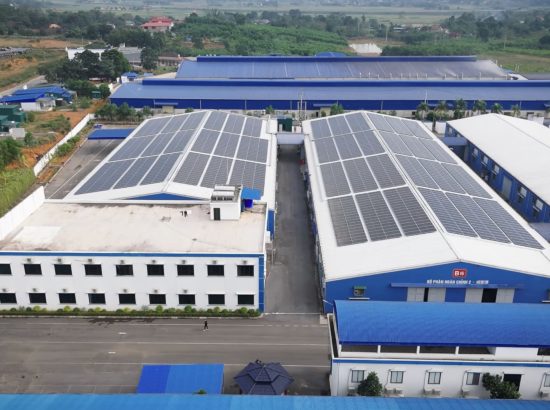
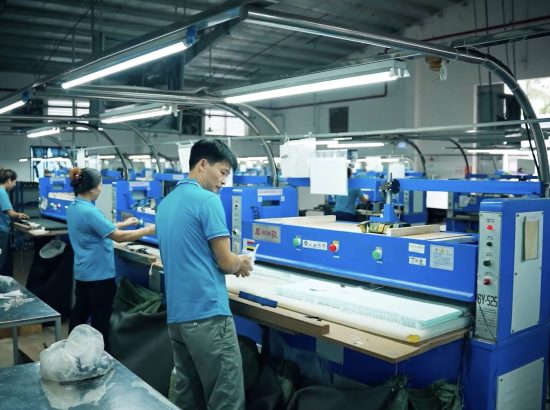
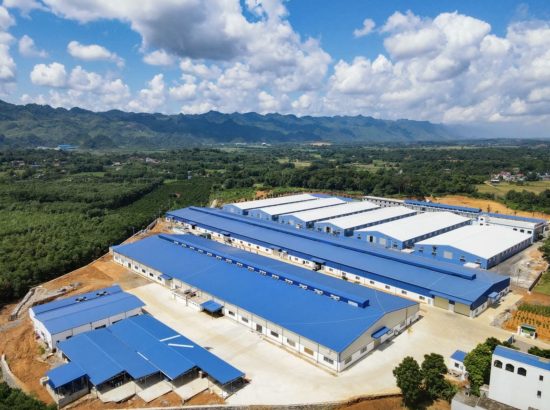
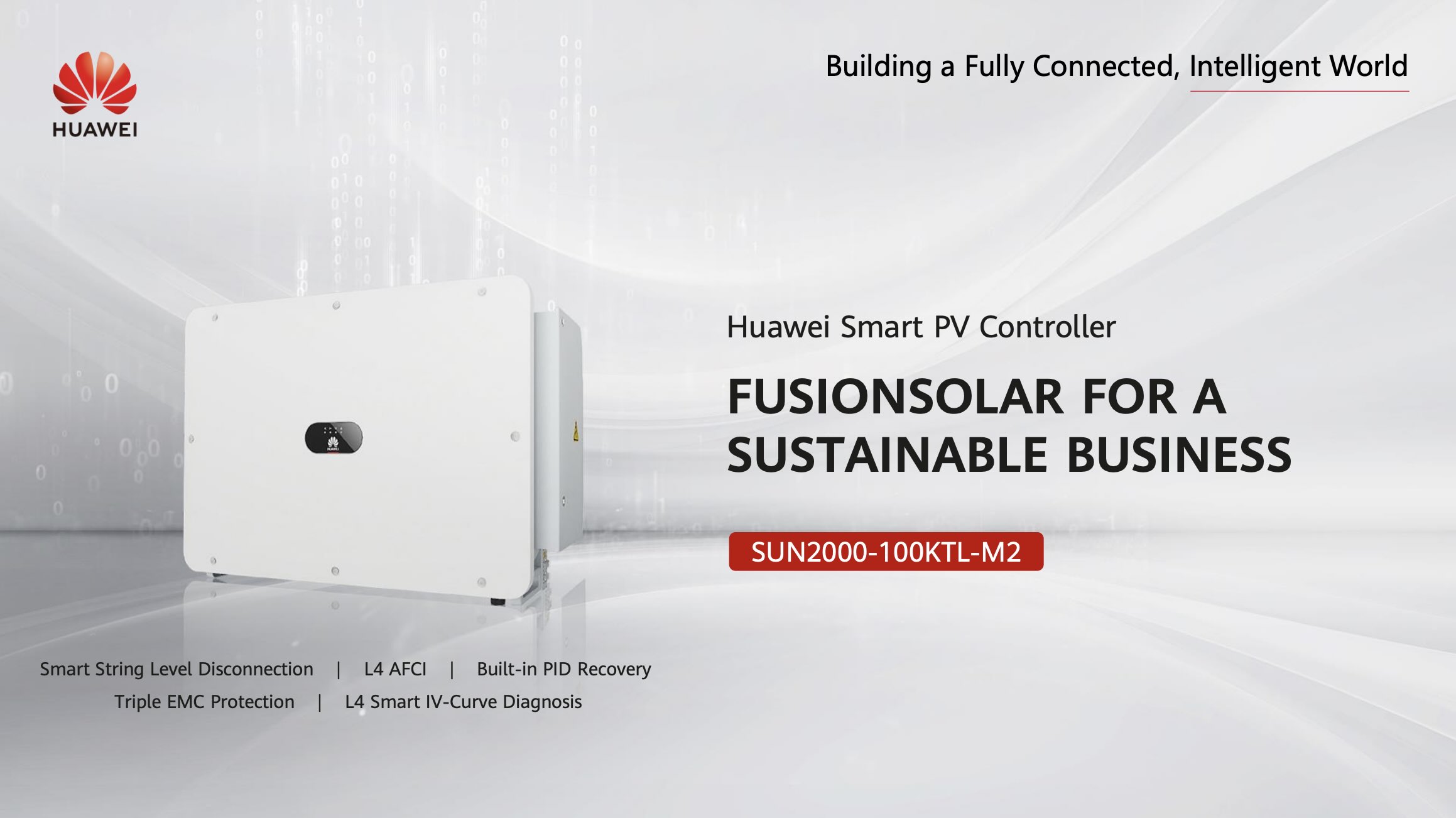
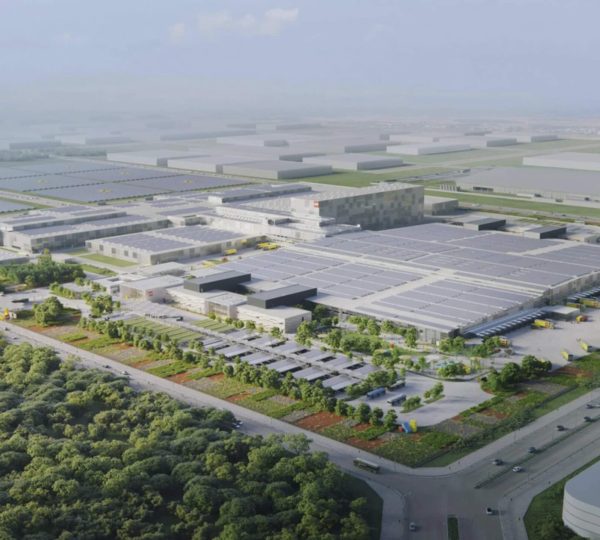
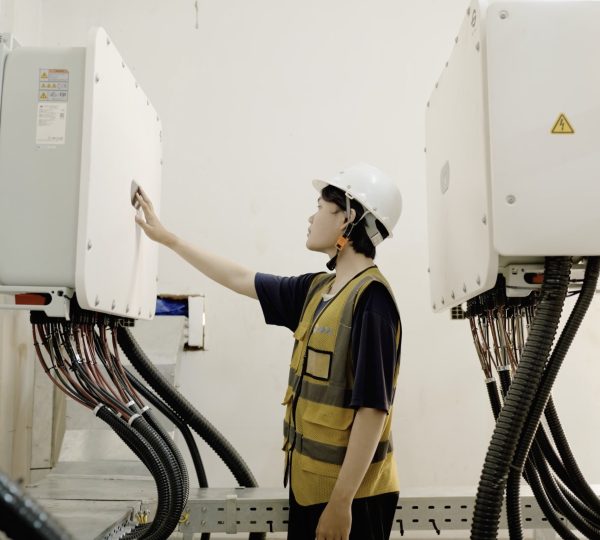
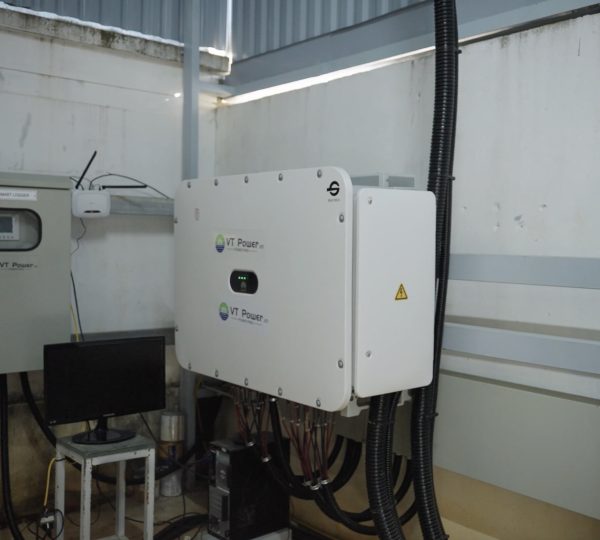
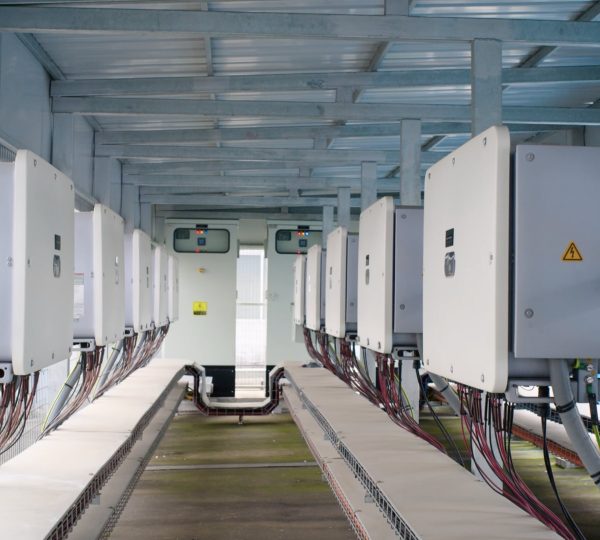
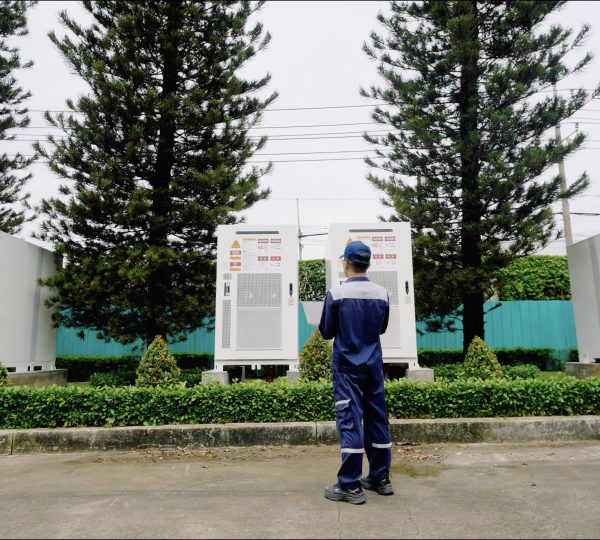
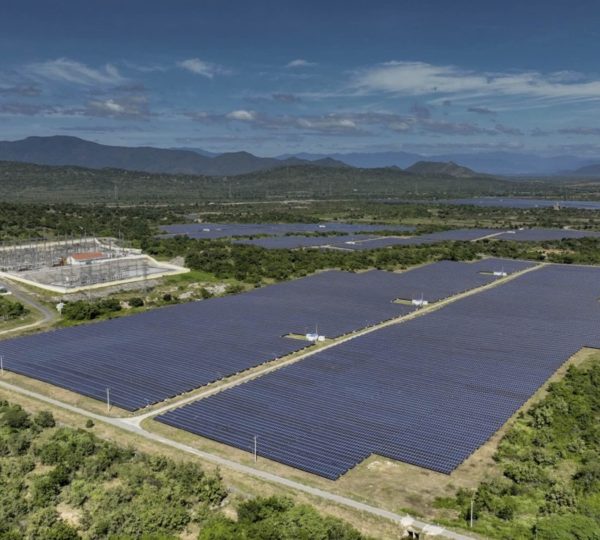
The 1 MWp rooftop solar project at Thien Dieu Footwear Factory (Hoa Binh) is a model for greening production infrastructure in the FDI sector. For the export footwear industry, meeting strict renewable energy standards from international brands is a decisive factor in maintaining and expanding global orders. The solution deployed by Hoa Nam Energy utilizes smart string inverter technology from our strategic partner Huawei, which not only helps the enterprise optimize operational electricity costs but also brings ultimate safety assurance to the factory infrastructure.
Key Advantages of the System
AI-Powered AFCI Arc Fault Protection Technology
Applying Huawei's proprietary AI-integrated DC arc fault circuit interrupter (AFCI) technology. The system is capable of automatically detecting and interrupting faults extremely fast, ensuring absolute safety against fire hazards on the factory's metal roof.

Integrating the Smart I-V Curve Diagnosis solution helps monitor and diagnose faults online accurately down to each individual battery string. This feature allows Hoa Nam's O&M team to easily detect abnormal panels early from a distance without manual measurements.Smart String-Level I-V Curve Diagnosis
Integrating the Smart I-V Curve Diagnosis solution helps monitor and diagnose faults online accurately down to each individual battery string. This feature allows Hoa Nam's O&M team to easily detect abnormal panels early from a distance without manual measurements.
Peak-Load Electricity Cost Reduction
Providing abundant clean power directly to the factory during the day, helping the enterprise minimize its reliance on the national grid during peak hours when manufacturing electricity rates are at their highest.
Meeting International Green ESG Standards
The solution helps CQS Mays minimize its direct carbon footprint during manufacturing, easily meeting strict sustainability standards and boosting competitive advantages for global exports.