
Huawei Grid Forming – Technology for Grid Stability During the Hot Season
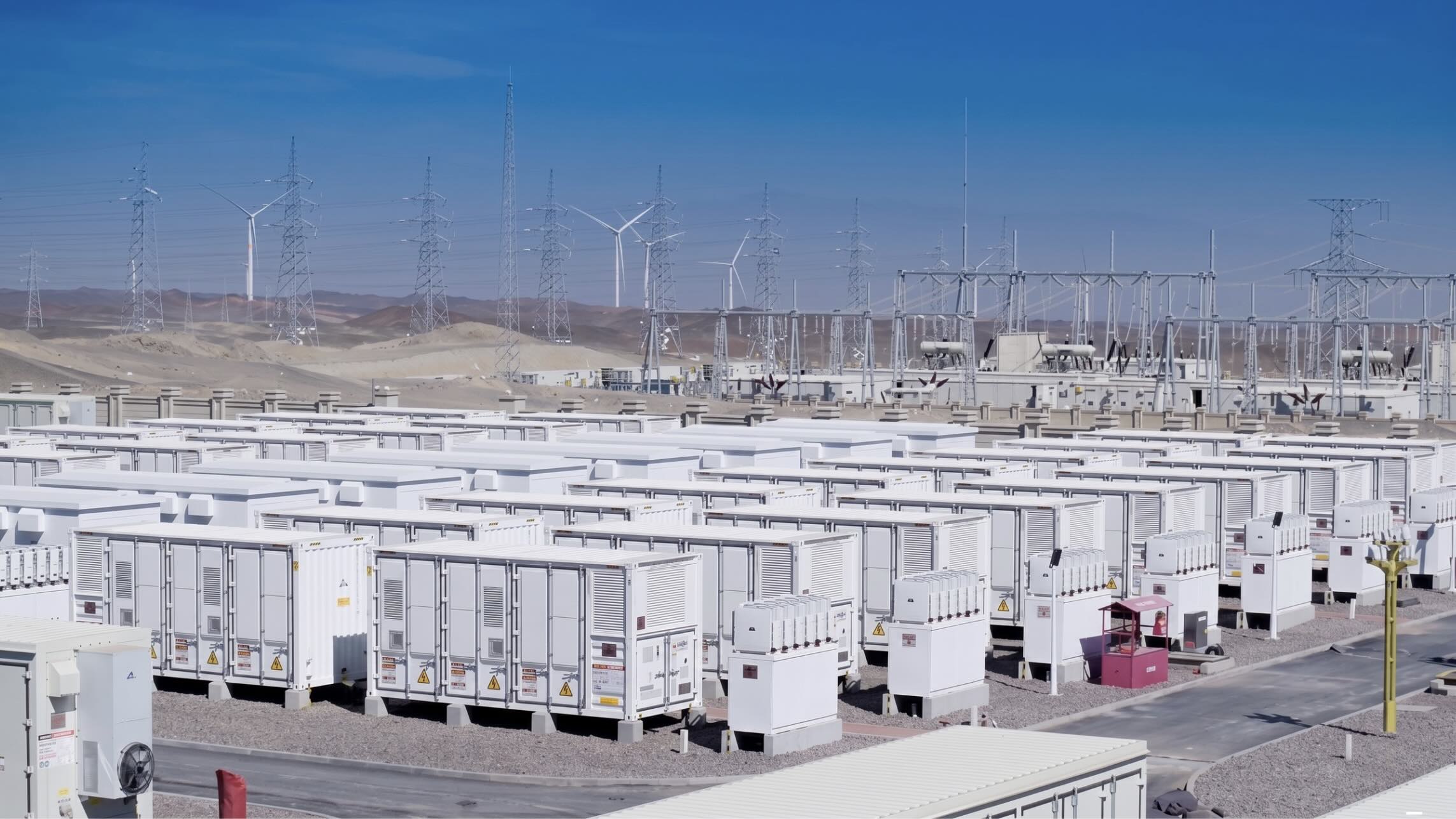
Huawei Grid Forming – Technology for Grid Stability During the Hot Season
Author: Hoa Nam Energy
May and the summer months mark the peak of the dry season in Vietnam. As ambient temperatures rise, power consumption for both residential use and industrial production spikes, placing tremendous operational pressure on the national grid. For utility-scale solar power plants, this is also the period when inverters must operate continuously at high capacity under conditions of high ambient temperatures and intense solar irradiance.
At this time, it is mandatory for developers to not only maintain power generation yields but also ensure stable system operations amidst grid frequency and voltage fluctuations. To meet these technical standards, the Huawei smart string inverter lineup featuring built-in Huawei Grid Forming technology was developed to effectively control the interaction between renewable energy sources and the utility grid.
Active Voltage and Frequency Regulation with Huawei Grid Forming Technology
Traditional inverters operate on a Grid-following mechanism—meaning they rely entirely on existing grid parameters to function. Conversely, Grid Forming technology on Huawei inverter systems configures the devices to operate as an active, independent voltage source.
Instead of passively following grid fluctuations, Huawei inverters can actively establish and maintain stable voltage and frequency throughout the grid-tied process. This shift in operational principles delivers specific technical benefits:
- Mitigating Abrupt Disconnection Risks: In weak grid areas, traditional inverters are prone to losing phase synchronization and tripping during grid disturbances. Grid Forming technology maintains a secure grid connection, minimizing power generation outage incidents.
- Ensuring Power Generation Yields: The capability to stabilize voltage allows the plant to operate continuously under high irradiance conditions without interruption, maintaining optimal power generation efficiency.
- Compliance with Operational Standards: The device supports real-time frequency regulation and reactive power compensation, satisfying the stringent requirements of power system operators when integrating large-scale clean energy.
Energy Control and Multi-Layer Safety Protection with BESS Storage Systems
When synchronously combining inverters with intelligent energy storage systems, Huawei Grid Forming enhances current control capabilities. The LUNA2000 Series Smart String ESS (ranging from 107~241 kWh up to large-scale systems) manages and optimizes independently at the battery pack and cluster levels, eliminating system-wide performance degradation caused by a single weak battery cell.
Huawei applies the C2C Dual Link Safety standard, providing strict protection from the battery cell core to the connection infrastructure:
- 5-Level Protective Tripping Circuit: The system automatically isolates faults and activates a 5-level protective tripping circuit within just 5 milliseconds, preventing the propagation risks of short-circuit currents.
- Hybrid Cooling Technology: The combination of Liquid Cooling and air cooling controls temperature differentials between battery cells to under 2°C, maintaining a round-trip efficiency (RTE) from 91.3% and extending equipment lifespan.
- 24/7 Automated Monitoring: The system automatically detects leakage currents, providing 24-hour early warnings for insulation faults or short circuits, combined with directional pressure relief designs to protect the equipment enclosure.
Economic Viability for Developers: Deploying BESS combined with Huawei Grid Forming helps resolve power curtailment issues during peak generation but low-load hours. Surplus energy is stored and fed back into the grid during peak demand hours with high electricity tariffs, optimizing payback periods and improving the project’s LCOE index.
Hoa Nam Energy – Distribution and Technical Deployment Partner in Vietnam
To ensure Huawei’s Grid Forming technology operates precisely, engineering surveys and calculations based on the national grid system are mandatory conditions. In Vietnam, Hoa Nam Energy is a high-level distribution and technical support partner (Value Added Partner – VAP) of Huawei Digital Power.
Hoa Nam Energy deploys the following technical tasks for projects:
- System Technical Deployment: The engineering team conducts grid status surveys, calculates the Short Circuit Ratio (SCR), designs equipment configurations, and performs on-site installation and acceptance testing.
- Customization According to Operational Conditions: Sets up configurations and Grid Forming algorithms compatible with tropical climate characteristics (high temperature, high humidity) and regional grid operational regulations.
- Operational Support via FusionSolar Cloud: Monitors energy yields and battery cell status in real time, and performs periodic maintenance to maintain the highest equipment availability.
Leveraging devices from Huawei Digital Power alongside Hoa Nam Energy’s deployment capabilities helps utility-scale solar plants and commercial-industrial (C&I) systems maintain operational stability, minimizing the risk of power supply interruptions during the hot season.
Danh mục
Bài viết mới nhất
Hoa Nam Energy Accompanies Bac Ninh Enterprises in Developing Rooftop Solar Power
Huawei Grid Forming – Technology for Grid Stability During the Hot Season
Hoa Nam Energy brings Huawei’s green energy solutions closer to Vietnamese businesses.
Từ khóa phổ biến
![[Hội thảo] Xây dựng ngôi nhà thông minh với hệ lưu trữ năng lượng](https://hoanamenergy.com/wp-content/uploads/2024/05/Hoi-thao-Xay-dung-ngoi-nha-thong-minh-voi-he-luu-tru-nang-luong-.jpg "[Hội thảo] Xây dựng ngôi nhà thông minh với hệ lưu trữ năng lượng")